Thoughts on Classical vs Contemporary Pilates
Two schools, one goal. Here's how I think about classical and contemporary Pilates — and why the practice I teach borrows quietly from both.
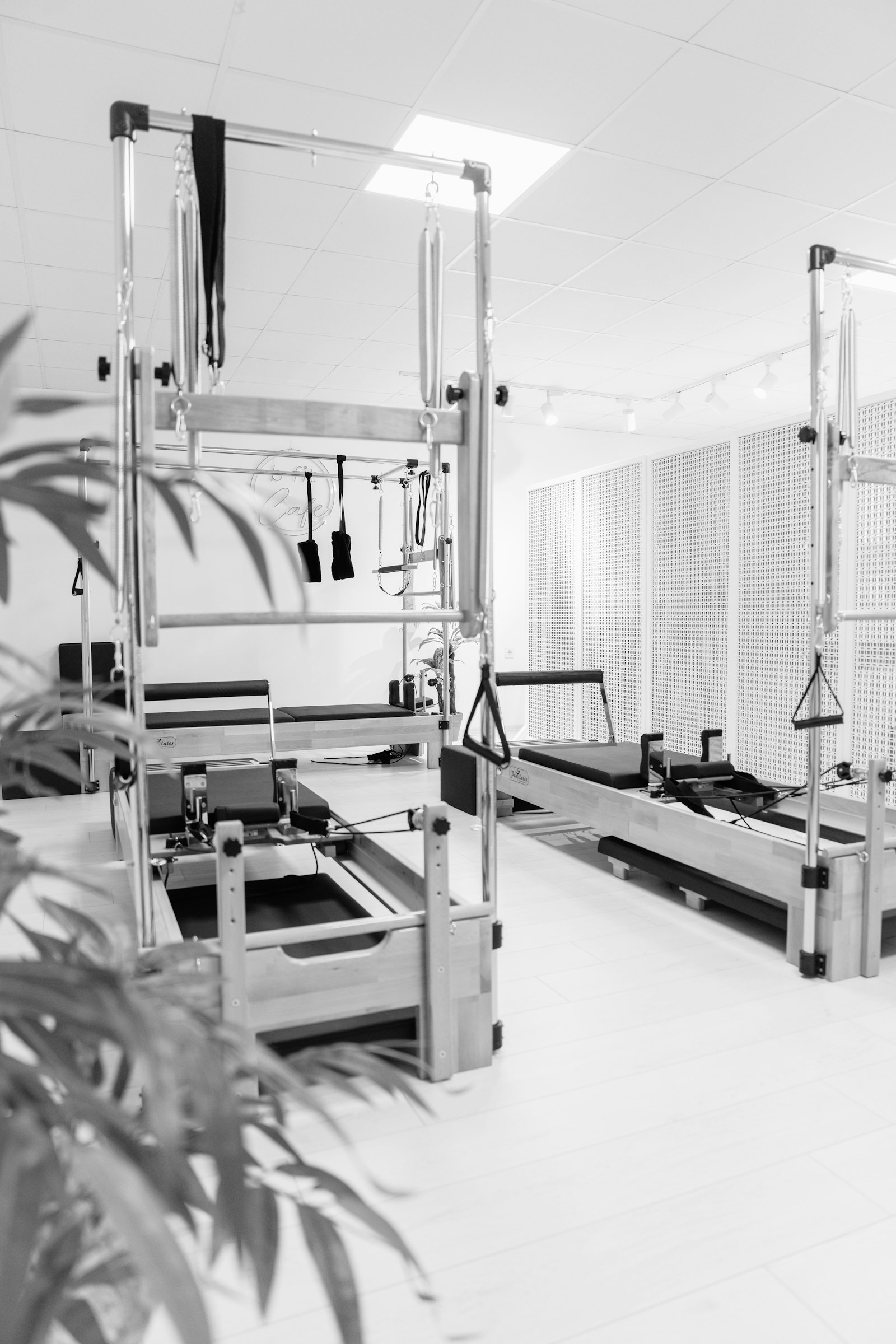
People often ask whether I teach classical or contemporary Pilates, as if they have to choose a side. I understand the question, but I've never found the answer that interesting. What matters to me is whether the movement serves the person in front of me.
Where they come from
Classical Pilates follows Joseph Pilates' original order and repertoire — a precise, almost ritual sequence that has real power in its discipline. Contemporary Pilates keeps those principles but folds in what we've since learned from rehabilitation, biomechanics and sports science, adapting the work to different bodies and needs.
How I teach
My background is in ballet, so I have a deep respect for tradition and form. But I also work with scoliosis, pregnancy and injury — bodies that don't always fit a fixed order. So I hold the classical foundations closely and let the contemporary lens tell me when to adapt.
- The precision and control of the classical method
- The adaptability of a contemporary, body-first approach
- Cues that make sense for your body, not a template
The method is a map, not a cage. My job is to read the person, then choose the route.
So if you're wondering which one you're doing with me — it's a little of both, chosen on purpose.